
The Hidden Dangers of Herefordshire’s Potholes

For motorists in Herefordshire, navigating the county’s scenic roads often means running a gauntlet of hidden hazards. As winter’s freezing temperatures give way to spring thaws, the annual scourge of potholes re-emerges with a vengeance, turning familiar routes into obstacle courses that can spell disaster for your vehicle. From the bustling cut-throughs of Hereford to the winding country lanes, the perils are real—but so is the solution, with John Wood Tyres on hand to repair the damage and get you safely back on the road. A County-Wide Problem The scale of Herefordshire’s pothole problem is hard to overstate. The county is responsible for maintaining over 2,000 miles of highways, a task made herculean by the whims of the British weather . The primary culprit is the freeze-thaw cycle: water seeps into tiny cracks in the tarmac, freezes and expands, then thaws and contracts, breaking up the road surface from within . This process can turn a minor defect into a car-wrecking crater in a matter of weeks. The Peril to Your Vehicle Hitting a pothole is more than just a jarring inconvenience; it’s a direct threat to your car’s safety and your wallet. The impact can cause a range of issues, from the obvious to the insidious: Tyre Damage: The sharp edge of a pothole can pinch the tyre sidewall against the wheel rim, causing a bulge, a puncture, or an instant blowout. Wheel Buckling: A hard enough hit can bend or crack the alloy or steel wheel, compromising its structural integrity. Suspension and Steering Strain: The shock travels through your suspension, potentially damaging shock absorbers, springs, and steering components. This can lead to poor handling and a dangerous loss of control. Wheel Alignment Issues: This is one of the most common and overlooked consequences. A pothole impact can knock your vehicle’s geometry out of true. You might notice your car pulling to one side or feel a vibration in the steering wheel. This not only makes driving less pleasant but also leads to rapid and uneven tyre wear, meaning you’ll need to replace your tyres much sooner . As one motoring expert explained, hitting multiple potholes over time leads to cumulative damage to tyres, suspension, and steering systems . The average cost of pothole-related damage can run into hundreds of pounds, and even more if wheels and suspension are affected . Your Local Solution: John Wood Tyres This is where John Wood Tyres becomes an essential resource for Herefordshire drivers. With four convenient branches across the county—at Hereford (St Owen Street), Hereford (Rotherwas), Ross-on-Wye, and Leominster—expert help is never far away . If you’ve had a recent encounter with a pothole, it’s vital to get your vehicle checked by professionals. Our experienced teams at John Wood Tyres can diagnose and fix the full spectrum of pothole-related damage. Expert Inspection and Tyre Replacement The first step is a thorough inspection. Our managers at John Wood Tyres bring decades of experience to the table. We can expertly identify bulges, cuts, and other signs of impact damage and recommend the best course of action. A thorough inspection helped a customer visiting the depot in Leominster who commented, “I recommend, nice service, professionally eliminated the problem with the suspension, adjusted the alignment, the problem disappeared”. As an independent dealer, we stock a wide range of leading brands, including Pirelli, Bridgestone, Michelin, and Continental, ensuring you get the right tyre for your vehicle and driving needs. Precision Wheel AlignmentCorrecting your wheel alignment is crucial after a pothole strike. Ignoring it will lead to further, unnecessary tyre wear and can affect your car’s handling. Customers have praised the service at the new Rotherwas branch for this very reason. One reviewer, shared: “Desperately needed to get my Wheel Alignment checked… Telephoned and asked what availability was like that afternoon, the young Man that answered the Phone said to bring it down within 10mins and he’ll get on it straight away and that he did… thank you very much, saved me the need of a New Tyre” . This proactive approach not only fixes the immediate problem but also saves customers money in the long run. A Reputation for Honesty and ReliabilityAcross all our branches we have built a rock-solid reputation for trustworthy service. At the Ross-on-Wyebranch, one customer highlighted their integrity: “I was originally booked in for two new front tyres. On looking at the car, I was advised that only one tyre needed changing; the other still had some life left! Honest, quick and reliable” . Another reviewer in Hereford recently stated, “Excellent! Called in late Saturday morning with a screw in the rear tyre. They were helpful, friendly and managed to fit me in without an appointment although busy. Screw removed, no damage to the tyre so no repair necessary and did not charge me a penny for the work. Outstanding in this day and age especially when others would have probably charged for a new tyre regardless! Highly recommended local company”. In an era where garages can sometimes push for unnecessary work, this commitment to transparency is invaluable. While Herefordshire Council works to tackle the backlog and improve roads for the future, the present reality is that potholes are a persistent danger . The council encourages residents to report defects online, but for the immediate safety and health of your vehicle, knowing where to turn for expert help is key . So, if you’ve felt that sickening thud of a pothole, don’t wait for the vibration to get worse or a minor issue to become a major expense. Visit your local John Wood Tyres branch in Hereford, Rotherwas, Ross-on-Wye, or Leominster. Our friendly, experienced teams will assess the damage, get your alignment sorted, and ensure your wheels are ready to face the next challenge our roads throw at them.
Safe Winter Motoring: Expert Advice from John Wood Tyres

At John Wood Tyres, your safety is our priority. Instead of risky idling, we recommend these safe, effective practices for winter driving: John Wood Tyres’ Top Tip: Prepare, Don’t Just Warm Up Modern engines are designed to be driven gently after just 30 seconds of idling. The quickest and safest way to warm your engine is through light, progressive driving. 1. Stay With Your Vehicle: Start the engine to begin defrosting, but always remain with the car. Use this time to properly clear all windows, mirrors, and lights of ice and snow using a proper scraper and de-icer. This ensures you have full visibility, which is a legal requirement. 2. Prioritise Winter Tyres for Ultimate Safety: “The single most effective winter upgrade isn’t a remote starter; it’s a set of winter or all-season tyres,” advise the experts at John Wood Tyres. “Below 7°C, standard summer tyre compound hardens, drastically reducing grip for braking, cornering, and accelerating on cold, wet, or icy roads. Winter tyres use a specialised softer compound that stays flexible, providing up to 50% more grip in cold conditions.” 3. Use a Remote Starter Wisely: If you have a factory-fitted system that keeps the car locked, it can be used cautiously. Always check with your insurer first, as some policies have specific clauses about these devices. 4. Pre-Journey Checks are Vital: John Wood Tyres emphasises a robust winter pre-check routine: Tyre Tread & Pressure: Ensure tread depth is well above the legal 1.6mm minimum – we recommend 3mm for winter for effective water dispersion. Check pressures weekly when tyres are cold. Battery Health: Cold weather severely strains an old battery. Have it tested at a John Wood Tyres centre to avoid a morning breakdown. Screenwash: Top up with a strong, winter-grade screenwash (rated at least -10°C) to prevent freezing in the washer system. Visit your local John Wood Tyres centre for expert advice, winter tyre fitting, and a full winter safety inspection to ensure your vehicle is truly ready for the season.
The Key Dangers of Leaving Your Car Running Unattended in Winter (UK)

While the temptation to let your car “warm up” on a frosty morning is understandable, doing so unattended poses significant risks in the UK, from instant theft to legal penalties. Theft: Your Car is Gone in Seconds (The #1 Risk) An idling unlocked car is a prime target. Thieves operate in residential areas on cold mornings specifically looking for this. “Keyless Car Theft” Amplified: Even with your keys inside your home, criminals can use relay devices to amplify the key fob signal and steal a running car in moments. Leaving it running makes their job effortless. Insurance Voidance: Crucially, if your car is stolen while idling unattended, your insurance provider will almost certainly reject your claim, deeming it “failure to take reasonable care.” Legal & Financial Penalties Highway Code Violation: Rule 123 states you must not leave a vehicle’s engine running unnecessarily while stationary on a public road. Fixed Penalty Notices: Police and local authorities can issue an on-the-spot £20 fine (rising to £40 if unpaid) for unnecessary idling, especially in designated Clean Air Zones. Carbon Monoxide Poisoning While rare outdoors, this deadly, odourless gas can be a risk if your car is in an enclosed space like a garage, or if the exhaust pipe becomes blocked by snow or ice, causing fumes to enter the cabin. Environmental Damage Prolonged idling needlessly emits pollutants like nitrogen oxides and particulate matter, contributing to poor local air quality. In summary: Leaving your car running unattended is a high-risk practice that invites theft, fines, and invalidates insurance. For genuine winter safety, focus on vehicle preparation—especially fitting winter tyres and performing thorough checks.
Should I buy All Season Tyres for my Car?
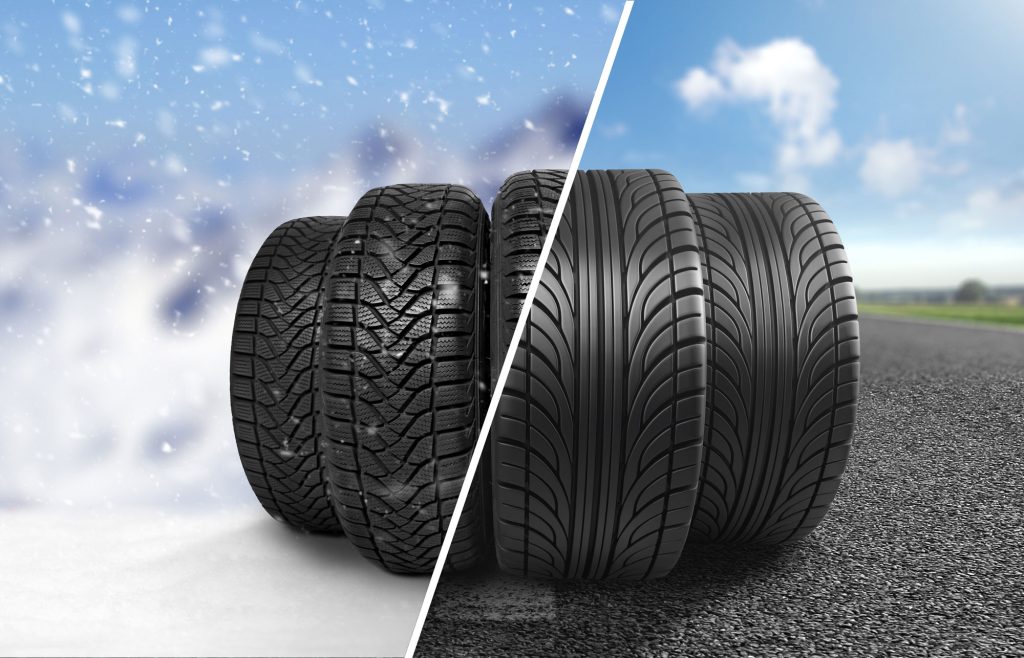
At John Wood Tyres, we believe that all-season tyres are significantly important to driving safely and a much better choice than summer tyres in the UK winter. However, it’s vital to understand how they are important and how they compare to their main alternative: dedicated winter tyres. We asked Greg & Lea Wood – Directors at John Wood Tyres to help us break it down. The Problem with Summer Tyres in Winter First, it’s important to know why summer tyres are less effective in cold conditions: Rubber Compound: Summer tyre rubber hardens significantly when temperatures drop below 7°C. Hard rubber means less grip, longer braking distances, and possibly poorer handling, even on dry roads. Tread Pattern: They are not designed to bite into snow or disperse slush and water effectively in icy conditions. How All-Season Tyres Help All-season tyres are a compromise, but a very intelligent one, especially for the UK’s typical winter: Softer Rubber Compound: They remain flexible in lower temperatures, providing decent grip on cold, wet, and dry roads. Versatile Tread Pattern: They incorporate features of both summer and winter tyres, with more sipes (small grooves) to grip in light snow and ice, and channels to clear water. The “3PMSF” Symbol: Many modern all-season tyres carry the Three-Peak Mountain Snowflake (3PMSF) symbol. This certifies that they meet a specific performance standard in snow, making them a genuine option for light winter conditions. All-Season vs. Dedicated Winter Tyres This is where the nuance lies. While all-season tyres are a major improvement over summer tyres, they are not a direct replacement for dedicated winter tyres in all scenarios. Feature All-Season Tyres (3PMSF rated) Dedicated Winter Tyres Best For Typical UK winters: cold, wet, occasional frost, and light/occasional snow. Harsh winters: consistent ice, deep snow, and temperatures consistently near or below freezing. Performance in Snow/Ice Adequate for light snow and getting you home safely in a surprise flurry. Superior. Designed specifically for maximum traction in snow and on ice. Performance in Cold Rain Very good. Excellent for the UK’s most common winter weather. Very good. Performance in Mild & Dry Good. Can be used year-round without excessive wear or noise. Poor. Wear quickly and feel soft/unresponsive in temperatures above 10°C. Cost & Convenience One set of tyres year-round. Saves the cost and hassle of changing and storing a second set. Require a second set of wheels/tyres. Involves the cost and hassle of changing them over twice a year. The Verdict for the UK Driver Given that most of the UK experiences winters characterised by cold, relentless rain, damp roads, and occasional frosts with only brief periods of snow, a high-quality, 3PMSF-rated all-season tyre is an excellent and highly important choice. They provide a crucial safety margin over summer tyres for the vast majority of winter driving conditions you will encounter. You should strongly consider all-season tyres if: You live in Southern England, the Midlands, or urban areas where snow is infrequent. You want the convenience and cost-saving of a single set of tyres year-round. Your winter driving consists mainly of wet and cold roads, with only occasional frost or light snow. You should still consider dedicated winter tyres if: You live in a rural or hilly area (e.g., Scottish Highlands, Yorkshire Dales, Wales) that regularly experiences significant snow and ice. You absolutely must be able to drive regardless of the weather conditions. You are not concerned about the cost and hassle of switching tyres. In Conclusion: Don’t underestimate the importance of tyre choice in the UK winter. Switching from summer tyres to all-season tyres for the winter months is a significant safety upgrade. For most UK drivers, they offer the perfect balance of performance, safety, and convenience for our typically mild-but-treacherous winter weather.
What are the Benefits of Having a Health Check on Your Car?

Much like the human body, your car needs regular check-ups to stay in tip-top condition. While oil changes and tyre replacements might be part of your routine maintenance, we now offer a FREE vehicle health check on the following elements as listed below Tyres Battery Bulbs Fluids Wipers Whether you’re planning a long road trip or simply want to ensure your vehicle is running safely and efficiently, a car health check provides peace of mind and practical benefits. Here’s why getting a health check from John Wood Tyres is a smart and worthwhile decision: The Early Detection of Any Likely Problems with your Car Tyres, Bulbs or Battery. A vehicle health check can help identify minor issues before they escalate into major—and expensive—repairs. For example, spotting a worn-out tyre can prevent damage to the wheel or tyre failure in emergency situations. Early detection on tyre wear and tear or a faulty battery saves you money and keeps you safer on the road. Enhanced Fuel Efficiency A well-maintained car is more fuel-efficient. Issues like low tyre pressure can cause your engine to work harder, leading to increased fuel consumption. A Tyre health check ensures that everything is running as it should, helping you save money at the pump. Better Resale Value If you’re considering selling or trading in your vehicle, having a documented history of regular health checks and maintenance can boost your car’s resale value. Buyers and dealerships alike are more likely to offer better prices for well-maintained vehicles. Prevention of Breakdowns There’s never a good time for your car to break down. Regular health checks can help prevent unexpected failures by ensuring that all components are functioning properly. This is especially important before long journeys, when a breakdown could leave you stranded far from help. Environmental Benefits A car in good health produces fewer emissions. By keeping your vehicle’s engine, exhaust system, and other components in proper working order, you contribute to reducing your carbon footprint and helping the environment. And Finally, Peace of Mind Knowing your car tyres, battery, bulbs, fluids and wipers has been professionally checked by John Wood Tyres gives you confidence every time you drive. Regular health checks are a small investment that can save you from major headaches down the road. Whether you’re driving an older vehicle or a brand-new model, keeping your car in top condition ensures safety, efficiency, and long-term reliability. Think of it as preventive care for your vehicle—because a healthy car is a happy car.
Tread Depth Inspection

The importance of Tread Depth Inspection Are your tyres legal? When should you change them? Always ensure your tyres conform to the UK minimum legal tread depth i.e. 1.6mm. This means that your tyres should have at least 1.6mm of tread left across the central three quarters of the tyre tread breadth and around the entire circumference of the tyre. Various types of tread depth indicator devices can be purchased from car product specialists. These can be dipped into the tyre tread to measure the depth in millimetres. You can also do the 20p test, by following these steps recommended by TyreSafe: How to check your tread depth with the 20p test 1. Ideally, tyre tread depth should be checked at least once a month at the same time that you check your tyre pressure. 2. Insert the 20p coin into the main tyre grooves at several places around the circumference of the tyre and across its width. 3. If the outer band of the 20p coin is visible whenever you check the tread, your tread depth may be illegal and you should have them checked by a qualified tyre specialist In addition, most car tyres now have tread wear indicators set into the tread grooves, which show when the tyre is worn to 1.6mm of remaining tread. When these indicators become level with the tread surface your tyres should be changed immediately. If you are still having trouble, consult a vehicle maintenance expert. Members of our team are on hand to help if you need us. Note: If you are taking your vehicle abroad legal tread depth may vary, come and speak to us or ask a reputable source.
Taking Care of your Tyres

Take Care of Your Tyres & They Will Take Care of You Tyres may not be the first thing you consider when it comes to vehicle safety, but tyres are your vehicle’s only link with the road. In fact, your safety (and that of your passengers) actually relies on an area of contact between the tyre and the road surface, which is no bigger than the palm of your hand. In addition to grip, tyres also support the weight of the vehicle and provide drive and directional control. When fitting replacement tyres ensure they are of the same size, load index and speed symbol as recommended by the vehicle manufacturer. Where tyres are not fitted in complete sets of four, we advise that tyre types are not mixed across an axle. Talk to us about the fitment details for your car, especially if you are in any doubt. The following checklist outlines a few simple procedures, which if carried out regularly will ensure your tyres remain safe and you get value for money in terms of performance and service life. We have more detail on each procedure via the links to help you look after your tyres correctly. After all, if you look after your tyres, they will look after you! Tyre Checklist: Visual Tyre Care: Visually check tyre condition on a regular basis Tread Depth Inspection: Inspect tread depth to ensure tyres are safe and legal Tyre Pressure: Maintain correct inflation pressures Tyre Positions & Handling: Fit tyres in sets of two or four. If just two fit them to the rear. For 4x4s use identical tyres all round Alignment: Consider a wheel alignment check to ensure tyres wear evenly Valves: Maintain valves to extend the life of your tyre and improve safety For help or advice on tyre maintenance, give us a call or come and see us.
What does my Tyre Pressure need to be?

The importance of maintaining the correct tyre pressure Maintaining the correct tyre pressure is an important factor in both the safety and longevity of tyres. Over or under inflation could adversely affect the vehicle handling and the tyre’s performance and durability. Additionally keeping your tyres at the correct pressure and using energy efficient tyres reduces your engines workload. This means you’ll save fuel and reduce CO2 emissions too. Make sure of the correct tyre pressures by referring to the vehicle manufacturer’s handbook. Check tyre pressures monthly and before any long trip. The tyres should be checked when they are cold, as tyres heat up as you drive causing a slight increase in pressure. Don’t forget to check the spare tyre. If you intend to tow with the vehicle, e.g. a trailer or caravan, always consult the vehicle handbook or a tyre specialist for suggestions as increased pressures may be required. Remember your trailer or caravan will also need its tyres checked. Regular vehicle maintenance can be the difference between a great journey and a terrible one.
Choosing The Right Tyres for my car

The importance of the getting the right tyres for your vehicle Many drivers aren’t aware of when the optimum time to replace their tyres is, you may notice a deterioration of performance as your tyres wear but how do you know when you should actually replace a tyre? Even fewer are aware that through some simple checks and regular maintenance you can significantly improve the performance and longevity of your tyres, giving you the very best value for your money. However, every motorist is fully aware of just how expensive owning and driving a car is. With this in mind, the tyre experts at Michelin have created some simple guides to make sure you get the very best performance and life from your tyres. Tyre Damage & Ageing Tyres last longer with regular checks Standard car / van tyres are designed to be adequately filled with air, if they are not used at the correct pressure you are increasing the risk of damage to the tyre and may reduce the performance and overall life of the tyre. Make sure you check your tyre pressures monthly and before any long trip. At the same time, its important to check the tyre tread depths, and look for any signs of damage to the sidewall, or strange or irregular wear of the tyre tread. If you are in any doubt, speak to us and we will be able to talk you through whether you should come into our depot to check if your tyres are suitable for further use. Reasons to change my tyres – The Wrong Tyres For best all-around performance, the same type of tyre should be used in all four wheel positions. Tyres of different sizes, constructions, and stages of wear may affect vehicle handling and stability. In addition, there may be specific recommendations by vehicle or tyre manufacturers which may apply to your vehicle. These should be followed, please check your vehicle handbook for details. Never mix radial and non-radial tyres Very simply, the experts at Michelin recommend that you do not mix radial and non-radial (i.e. cross-ply or bias-belted) tyres on a vehicle. If mixing tyres is unavoidable, never mix radial and non-radial tyres on the same axle. If two radial and two non-radial tyres are installed on a vehicle, it is widely accepted that the two radials must be installed on the rear axle and the two non-radials on the front axle. There are many ways to find the proper tyres for your vehicle. If you’re not sure what tyres are best suited to your vehicle, use our tyre selector.
The Danger of Part worn Tyres

At John Wood Tyres, we do not sell part worn tyres. Our decision not to sell part worn tyres comes as a result of extensive research undertaken by a number of organisations. Take a look at the information below.